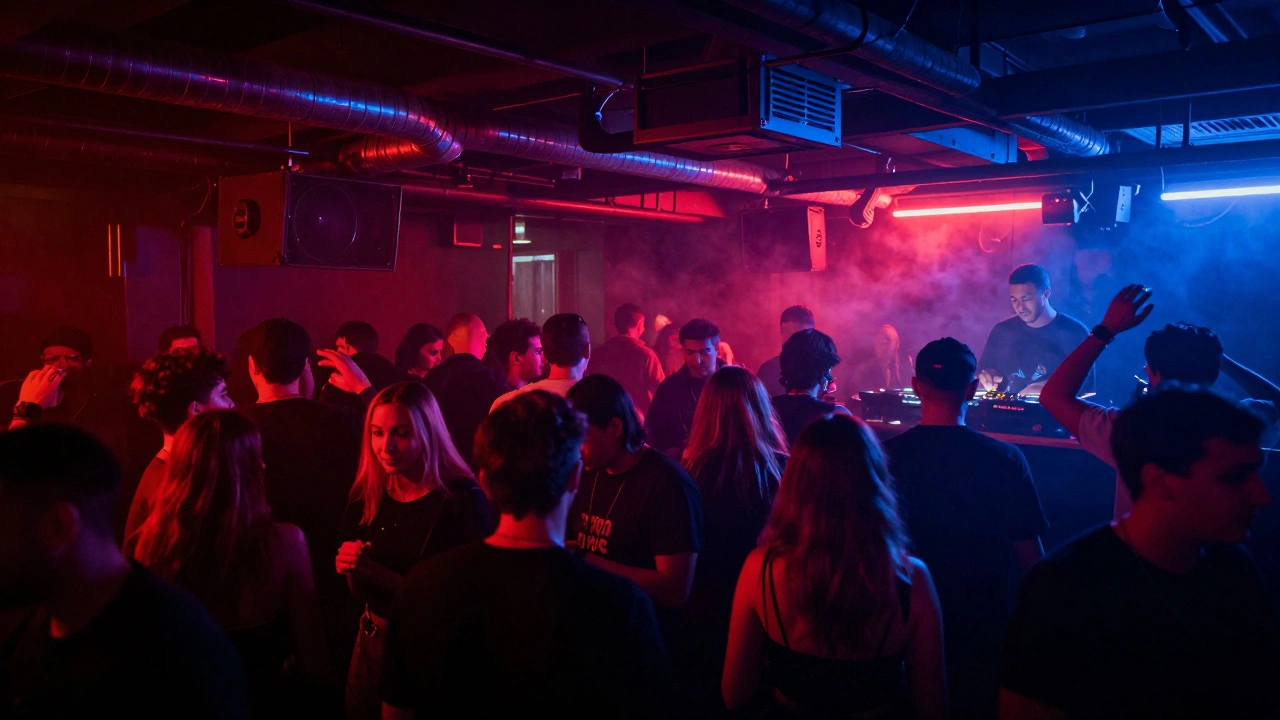
When it comes to nightlife, London doesn’t just keep up-it sets the pace. From underground basements in Shoreditch to rooftop lounges with skyline views over the Thames, the city’s club scene is a living, breathing mix of music, culture, and raw energy. Whether you’re a local who’s seen it all or a visitor wondering where to go after dark, this guide cuts through the noise and shows you the real spots that matter.
Why London’s Club Scene Is Different
London isn’t just a city with clubs-it’s a melting pot where genres collide. You can dance to house in a warehouse under a railway arch in Peckham, then hop on the Tube and find a jazz set in a hidden basement in Soho. Unlike other cities where nightlife is clustered, London’s scene is spread out, diverse, and deeply tied to its neighborhoods. A night out here isn’t about one venue-it’s about the journey.Take Brixton, for example. The area’s club culture grew out of Caribbean communities in the 1980s, and today, venues like The Brixton Jamm still host live reggae nights with crowds that know every lyric. Or head to Camden, where punk and alternative scenes still pulse through The Electric Ballroom, a venue that’s hosted everyone from The Clash to modern indie acts.
Top 5 Clubs You Can’t Miss
- Fabric (Farringdon): Open since 1999, Fabric is more than a club-it’s a institution. With its two rooms, one for deep house and techno, the other for harder beats, it’s where DJs like Carl Cox and Charlotte de Witte test new tracks. The sound system alone is legendary. Doors open at 10 PM, and it’s packed by midnight. No dress code, but no flip-flops or sportswear. If you’re in London and don’t go here, you’re missing a chapter of the city’s music history.
- Printworks (Rotherhithe): Housed in a disused printing factory, Printworks is a cavernous, industrial beast of a venue. It’s not just big-it’s immersive. Expect bass-heavy sets from international stars, fog machines that swallow the crowd, and a layout that feels like a warehouse rave from 1992, but with state-of-the-art lighting. It’s open on weekends only, and tickets sell out fast. Book ahead.
- The Nest (Peckham): A smaller, more intimate space run by the same team behind Fabric, The Nest is where London’s underground finds its heartbeat. Think minimal techno, experimental electronica, and DJs who aren’t on Spotify. It’s cash-only, no frills, and the crowd is loyal. You’ll leave with sore feet and a new favorite artist.
- Heaven (Finsbury Park): Open since 1979, Heaven is one of London’s oldest and most iconic LGBTQ+ venues. It’s a glitter-drenched temple of pop, disco, and drag. The Sunday brunch parties with live performers are legendary. If you’ve never seen a drag queen belt out Adele while sipping prosecco, you haven’t experienced London nightlife.
- KOKO (Camden): A former music hall turned into a multi-room club, KOKO blends live shows with club nights. The main room has a grand ceiling and a balcony that feels like a Victorian opera house. On Friday nights, it’s all about indie, alt-pop, and emerging British acts. The bar serves proper gin and tonics-not overpriced cocktails.
When to Go and How to Avoid the Crowds
London clubs don’t all open at the same time. Most don’t get busy until after 1 AM. But if you want to skip the queues, go early. Fabric opens at 10 PM-arrive by 10:30 and you’ll breeze in. By 11:30, the line wraps around the block.Weekdays are your secret weapon. Tuesday at The Jazz Cafe in Camden has live jazz and soul with no cover charge. Wednesday at The Social in Soho is known for its chill house sets and free entry before midnight. Even Thursday nights at Koko are quieter than Fridays, and the crowd is more about music than Instagram.
And yes, the cover charge is real. Most clubs charge £10-£20, but some-like Printworks-can hit £30. Always check the event page on Resident Advisor or the venue’s own site. Many offer early bird tickets or student discounts. If you’re a student, bring your ID. You’ll save £5-£10.

Getting Around: Transport Tips
London’s night tube runs Friday and Saturday nights on the Central, Jubilee, Northern, Piccadilly, and Victoria lines. That’s your best bet. But don’t rely on it. Some clubs-especially in East London-are a 15-minute walk from the nearest station. Always check the last train times.Taxis? Uber is fine, but it’s expensive after 2 AM. Bolt and Gett are cheaper alternatives. Or better yet-use the night bus. The N29 runs from Oxford Circus to Brixton, and the N155 connects Camden to Canary Wharf. You’ll see the city in a different light, literally.
What to Wear
London clubs don’t have strict dress codes like some cities. But there’s an unspoken rule: smart casual. No trainers with socks, no baseball caps, no baggy jeans. You don’t need a suit, but a clean pair of dark jeans, a fitted shirt, and decent shoes will get you in. Women: heels aren’t required, but avoid flip-flops. The floors are concrete, and the queues are long.And forget the perfume. In tight, sweaty rooms, strong scents become unbearable. Stick to light, clean fragrances-or skip it altogether.
Hidden Gems and Local Secrets
Most guides skip these, but locals know them:- El Vez (Soho): A Mexican-themed bar that turns into a Latin dance club after 1 AM. The DJs play cumbia, salsa, and reggaeton. No one leaves before 4 AM.
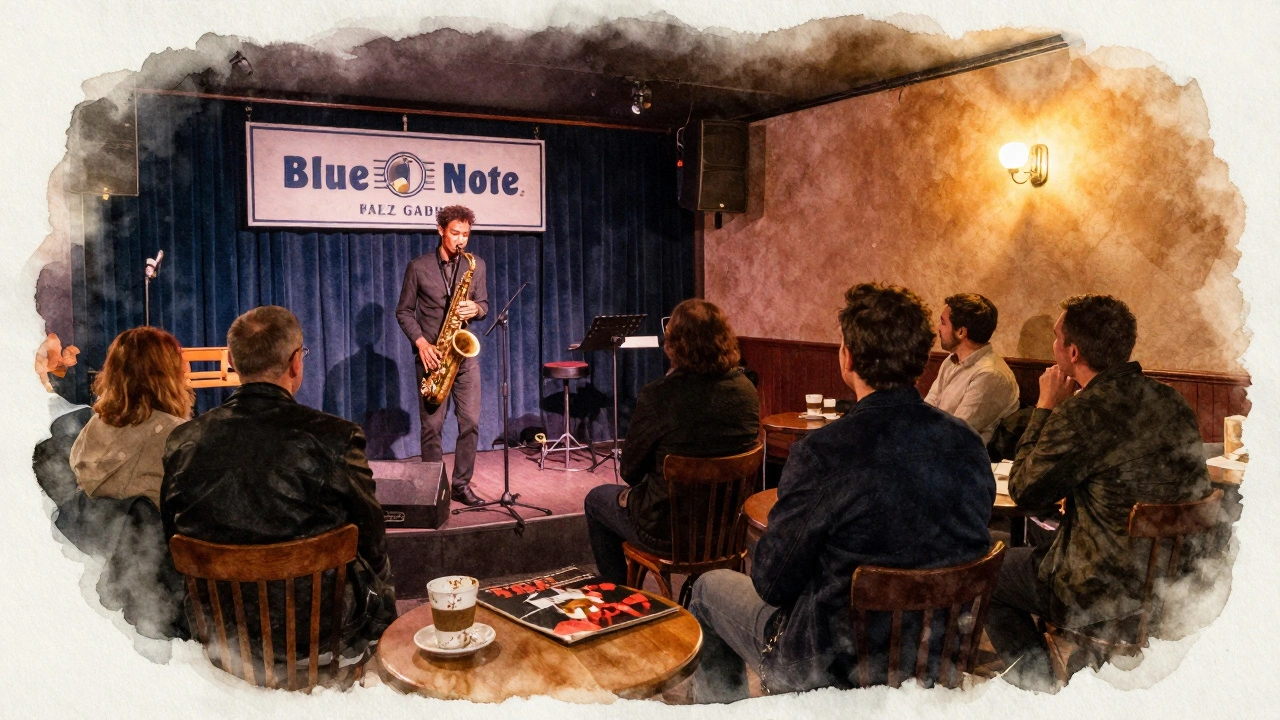
- The Blue Note (Hoxton): A tiny jazz club with a 2 AM set that’s packed with musicians from the Royal Academy. It’s free, but you need to be there early.
- Boxpark Shoreditch: Not a traditional club, but on Friday nights, the pop-up bars turn into a street party with DJs spinning from shipping containers. It’s chaotic, loud, and totally London.
What to Skip
Not every club with a neon sign is worth it. Avoid:- Wembley Arena clubs on weeknights-they’re overpriced and underwhelming.
- Any venue in Leicester Square that charges £15 just to get in and then sells £12 gin and tonics. You’ll pay more for a drink than you would in a pub.
- Club 11 in Soho. It’s been the same since 2010. The music’s outdated, and the crowd feels like it’s stuck in 2005.
Final Tip: Go With a Plan
London’s club scene isn’t about stumbling around hoping to find something good. It’s about knowing where to go. Pick one main venue, plan your route, and leave room for detours. The best nights aren’t the ones with the biggest names-they’re the ones where you stumble into a basement in Dalston and hear a track you’ve never heard before.That’s London. Not perfect. Not always easy. But always alive.
What’s the best time to go out in London?
Most clubs don’t get busy until after midnight, but arriving early (around 10-11 PM) helps you skip the queues. Weekdays like Tuesday and Wednesday often have better music, fewer people, and sometimes free entry. If you want to dance until sunrise, aim for Friday or Saturday nights-but be prepared to wait.
Are London clubs expensive?
It depends. Entry fees range from £5-£20, with top venues like Printworks charging up to £30. Drinks cost £8-£12, but pubs and smaller clubs often have cheaper options. Student discounts are common-always bring ID. Many clubs offer early bird tickets online, which can save you £5-£10.
Can I go to London clubs alone?
Absolutely. Many locals go solo, especially to venues like Fabric or The Nest where the crowd is music-focused, not social. You’ll find people to talk to easily, especially if you’re at a jazz, techno, or indie night. Just stay aware of your surroundings, keep your phone charged, and don’t feel pressured to buy drinks.
Do I need to book tickets in advance?
For big names or special events-yes. Printworks, Fabric’s special nights, and KOKO’s live shows often sell out. Use Resident Advisor, the venue’s website, or Eventbrite to check. For smaller clubs like The Nest or The Jazz Cafe, walk-ins are fine. Always double-check the event page before you go.
What’s the most underrated club in London?
The Blue Note in Hoxton. It’s tiny, quiet, and mostly unknown to tourists. But every Thursday and Friday, it hosts late-night jazz sets with musicians from the Royal Academy of Music. It’s free, the vibe is intimate, and you’ll hear music you won’t find anywhere else in the city.