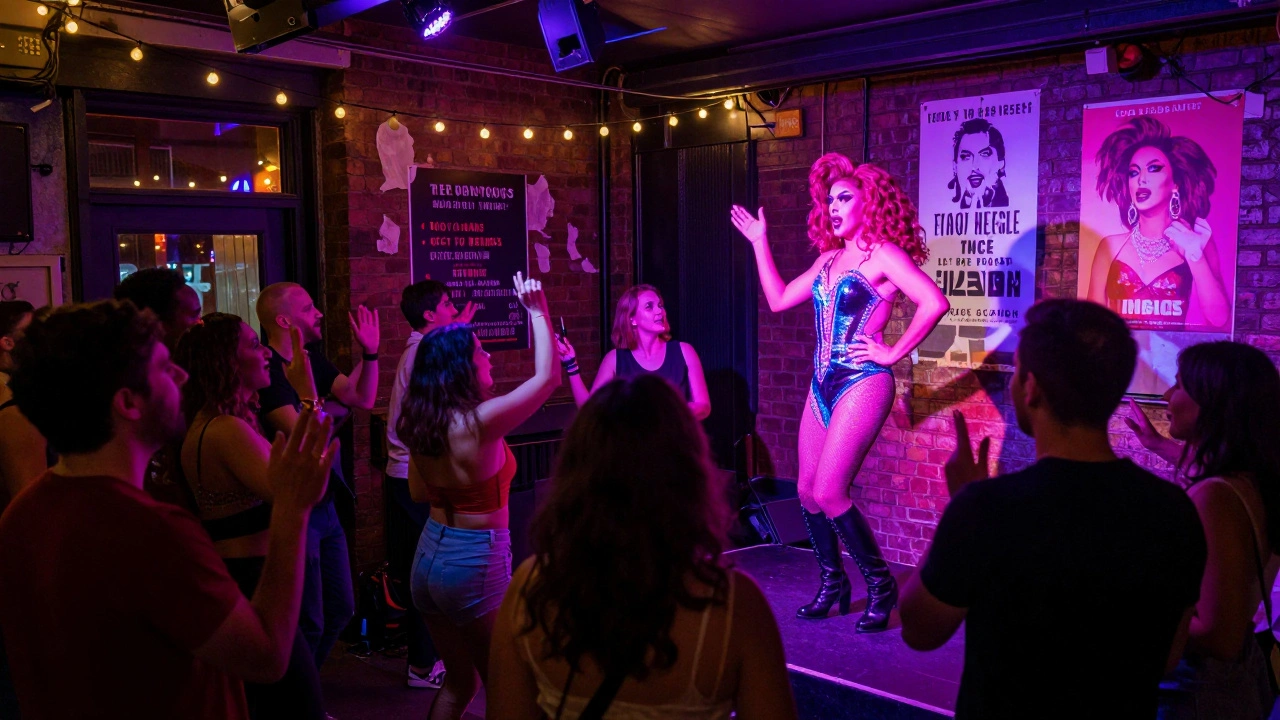
In London, the night never sleeps-and neither does its spirit of inclusion. From the neon-lit alleys of Soho to the warehouse parties of Peckham, London’s nightlife isn’t just about music and drinks; it’s a living canvas of identity, expression, and belonging. Whether you’re a local who’s lived here for decades, a new expat finding your feet, or a visitor curious about the real pulse of the city, there’s a space here made just for you-no matter who you are, who you love, or where you’re from.
SoHo: The Heartbeat of LGBTQ+ London
Soho has been the epicenter of queer culture in London since the 1970s, and today it’s more vibrant than ever. The Eagle London, tucked away on Rupert Street, isn’t just a gay bar-it’s a community hub. On Friday nights, the dance floor fills with drag performers from Drag Race UK alumni, local poets, and trans DJs spinning house and garage. The bar doesn’t charge a cover, and the staff remember your name. It’s the kind of place where a newcomer walks in alone and leaves with three new friends. Just around the corner, The Royal Vauxhall Tavern hosts weekly events like ‘Queer Cabaret’ and ‘Trans Tuesday,’ where performers from across the UK share stories through song, comedy, and spoken word. Unlike commercial clubs that market diversity as a trend, these spaces were built by the community, for the community. You won’t find corporate sponsorships plastered on the walls here-just hand-painted posters, handwritten flyers, and a deep sense of ownership.Peckham’s Underground Fusion Scene
Head south of the river, and you’ll find Peckham, where London’s multicultural soul comes alive after dark. Rye Lane is lined with West African restaurants, Caribbean takeaways, and pop-up bars run by young creatives from Nigeria, Jamaica, and Somalia. At Black & White, a basement venue tucked above a Nigerian barber shop, you’ll hear afrobeats bumping next to grime and house. The crowd? A mix of South London teens, Somali students from Goldsmiths, and older Caribbean locals who’ve been coming since the 1980s. Every third Thursday, they host ‘Afro-London Nights,’ where DJs from Lagos, Accra, and London’s own Brixton blend traditional rhythms with modern beats. No VIP sections. No dress codes. Just a sound system that shakes the floor and a rule: if you show up with respect, you’re welcome.East London’s Disability-Inclusive Nights
Too often, nightlife excludes people with disabilities. Not in East London. At Access All Areas, a monthly event hosted at The Old Blue Last in Shoreditch, the space is fully wheelchair accessible, with tactile signage, sign language interpreters, and quiet zones for neurodivergent guests. The music? A curated mix of indie, jazz, and electronic, played at a volume that’s loud enough to feel, not painful. Organized by the group Disabled Artists Network, the event also features live art installations by Deaf and disabled creators. One month, a blind poet performed spoken word while a visual artist translated the words into abstract brushstrokes on a giant canvas. The next, a wheelchair dancer led a group improvisation with a live band. This isn’t a charity event-it’s a celebration of art, skill, and presence.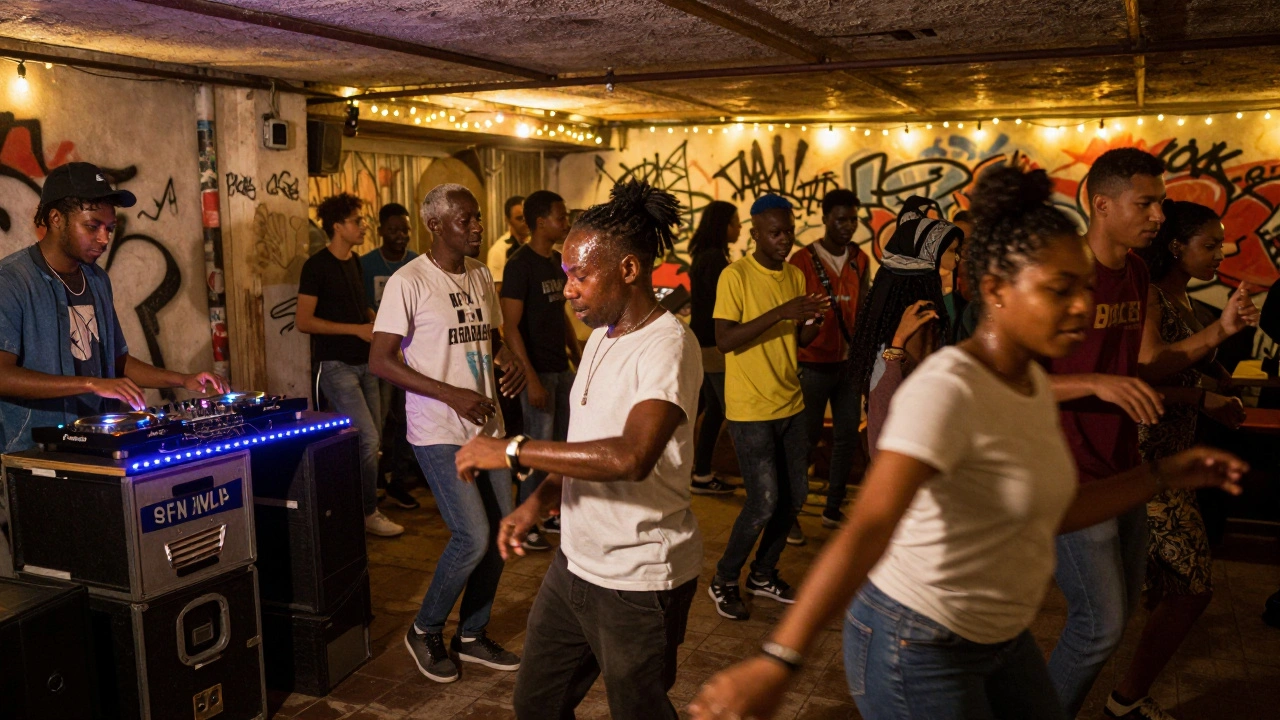
Immigrant-Led Pop-Ups Across the City
London’s food and drink scene is shaped by migration-and so is its nightlife. In Brixton, Yard & Co. runs monthly ‘Global Nights’ where immigrant chefs turn their homes into pop-up clubs. One evening, you might sip spiced rum punch made by a Trinidadian grandmother while dancing to soca. The next, you’re eating Iranian kebabs under fairy lights while a Kurdish musician plays the daf drum. These aren’t tourist traps. They’re grassroots gatherings, often advertised only on Instagram or WhatsApp groups. No press releases. No PR teams. Just word-of-mouth, community trust, and a shared belief that belonging shouldn’t cost a fortune.What Makes These Events Different?
Most commercial clubs in London still rely on generic ‘diversity’ branding-rainbow logos in June, a ‘world music’ night once a month, then back to the same crowd. The events above are different because they’re not performative. They’re rooted. They’re run by people who’ve faced exclusion and decided to build something better. They don’t need big budgets. They thrive on volunteers, donated space, and local partnerships. A church hall in Camden might host a Somali women’s karaoke night. A community center in Walthamstow turns into a South Asian queer dance party every other Saturday. These aren’t advertised on Time Out London-but they’re the ones people talk about for years.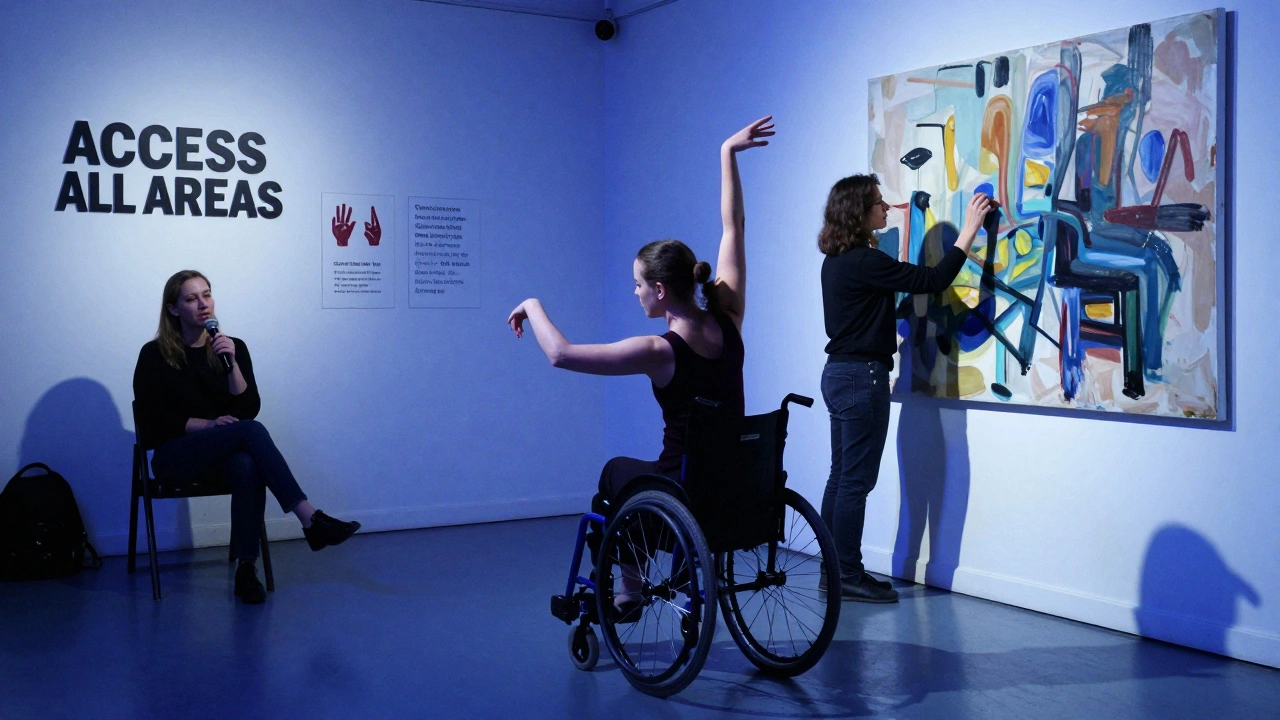
How to Find These Events
Forget the glossy event apps. The real inclusive nights in London are found in places you wouldn’t expect:- Follow @lgbtqnightlifeuk on Instagram-no ads, just real event photos and locations.
- Check the bulletin boards at London Friend in Soho or Stonewall Housing in Peckham.
- Join Facebook groups like ‘Queer London Events’ or ‘BAME Nightlife UK’-they’re active, moderated, and full of locals.
- Visit independent record shops like Wah Wah Records in Dalston or Black Market Records in Brixton-they often have flyers for underground nights.
Why This Matters
London’s diversity isn’t just a statistic-it’s the reason the city’s nightlife survives. When mainstream venues chase trends, these inclusive spaces build legacies. They’re where someone fleeing persecution finds safety. Where a teenager questioning their identity hears their first song that speaks to them. Where a grandmother from Bangladesh dances with her granddaughter for the first time in a place that feels like home. These nights don’t need to be big. They just need to be real.Are these inclusive nightlife events in London free to attend?
Many are free or ask for a small donation-often £5 or less-to cover costs. Events like Access All Areas and Afro-London Nights operate on a pay-what-you-can basis. Some bars in Soho, like The Eagle, don’t charge entry at all. Always check the event page or social media for details-most organizers are transparent about costs and welcome contributions.
Is London’s inclusive nightlife safe for newcomers and tourists?
Yes, especially at the events mentioned here. They’re run by trusted community groups and often have volunteers on-site to help newcomers feel comfortable. Many are located in well-lit, busy areas like Soho, Brixton, and Peckham, and staff are trained to handle any issues with care. If you’re unsure, go with a friend or message the organizer ahead of time-they’re usually happy to answer questions.
Do I need to be part of a specific group to attend these events?
No. These events are open to everyone who respects the space. You don’t need to identify as LGBTQ+, disabled, or from a particular culture to join. What matters is showing up with an open mind and willingness to learn. Many attendees are allies, curious visitors, or just people who love good music and real connection.
Are there inclusive nightlife events outside of central London?
Absolutely. Places like Walthamstow, Croydon, and Enfield host monthly gatherings too. In Walthamstow, the ‘Rainbow Rooms’ at the community center host queer South Asian nights. In Croydon, ‘Afro-Caribbean Soul’ events take place in a converted library. These are less publicized but just as meaningful. Use local Facebook groups or visit your nearest community center-they often have flyers or newsletters.
How can I support these inclusive nightlife spaces?
Show up. Bring friends. Tip the bartenders. Share their events on social media. Buy merchandise if they sell it. Donate to their GoFundMe or Patreon if they have one. And most importantly-don’t treat them like a novelty. Attend regularly. Build relationships. These spaces survive because people care, not because they’re trendy.
Next Steps: Where to Go This Week
This weekend, check out:- Friday, December 5 - ‘Queer Cabaret’ at The Royal Vauxhall Tavern, 8 PM, Vauxhall
- Saturday, December 6 - ‘Afro-London Nights’ at Black & White, 9 PM, Peckham
- Sunday, December 7 - ‘Global Kitchen Party’ at Yard & Co., 7 PM, Brixton