
In London, where the rhythm of the city never truly sleeps, one venue stands above the rest as a temple of electronic music: Ministry of Sound is a legendary nightclub in Elephant & Castle, London, that has defined global dance culture since 1991. Also known as The MoS, it was born from a converted bus depot and quickly became the heartbeat of London’s club scene.
How Ministry of Sound Changed London’s Nightlife
Before Ministry of Sound opened its doors in 1991, London’s clubbing scene was scattered. You had the underground raves in East London, the glam punk spots in Soho, and the jazz bars in Mayfair-but nothing that brought house, techno, and garage under one roof with professional sound and lighting. That changed when James Palumbo, Justin Berkmann, and a handful of DJs turned a disused bus depot on Southwark Bridge Road into something extraordinary. The sound system? Built by Tony Bongiovi, the same engineer behind New York’s Studio 54. The speakers? Custom-designed to deliver bass so deep you feel it in your ribs. And the crowd? A mix of South London locals, expats from Berlin and Tokyo, and DJs who’d just played at Fabric or Printworks.
It wasn’t just a club. It was a movement. By 1993, Ministry of Sound’s compilation albums were selling over a million copies across Europe. People didn’t just go out to dance-they went to hear the future. And in London, where the music scene has always been about innovation, that meant something.
The Sound That Made It Famous
Ministry of Sound’s reputation rests on one thing: its sound system. It’s not just loud-it’s precise. The main room has a 120,000-watt system, with separate sub-bass, mid-range, and treble arrays. Engineers spent months tuning it to avoid standing waves, so every corner of the room sounds identical. That’s why DJs like Carl Cox, Annie Mac, and Seth Troxler still say it’s the best club in the world to play. You can’t hide behind a mix here. If your track doesn’t hit right, 2,000 people in London will know.
And the acoustics? They’re designed to make you feel like you’re inside the music. The walls are lined with custom foam panels, the floor is sprung wood to absorb shock, and the ceiling angles direct sound straight down. No echo. No muddiness. Just pure, clean, bone-rattling bass. It’s why people still travel from Manchester, Bristol, and even Brighton just to experience it.
What Makes It Different From Other London Clubs
London has dozens of clubs. Fabric. Printworks. XOYO. The Village. But Ministry of Sound is different because it’s not just a venue-it’s a brand with legacy. While others come and go, Ministry has stayed true to its roots: house, techno, garage, and drum & bass. You won’t find pop remixes here on a Friday night. You’ll find 12-hour sets from UK garage legends like DJ EZ or a surprise appearance from a 2000s UK hardcore DJ spinning on vinyl.
It also has a unique history with radio. Ministry of Sound Radio, launched in 2002, was one of the first digital dance music stations in the UK. It’s still live-streamed from the club, and many Londoners tune in while commuting on the Tube or working in offices around Canary Wharf. The club even hosts weekly live sessions that are broadcast to over 100,000 listeners across the UK.
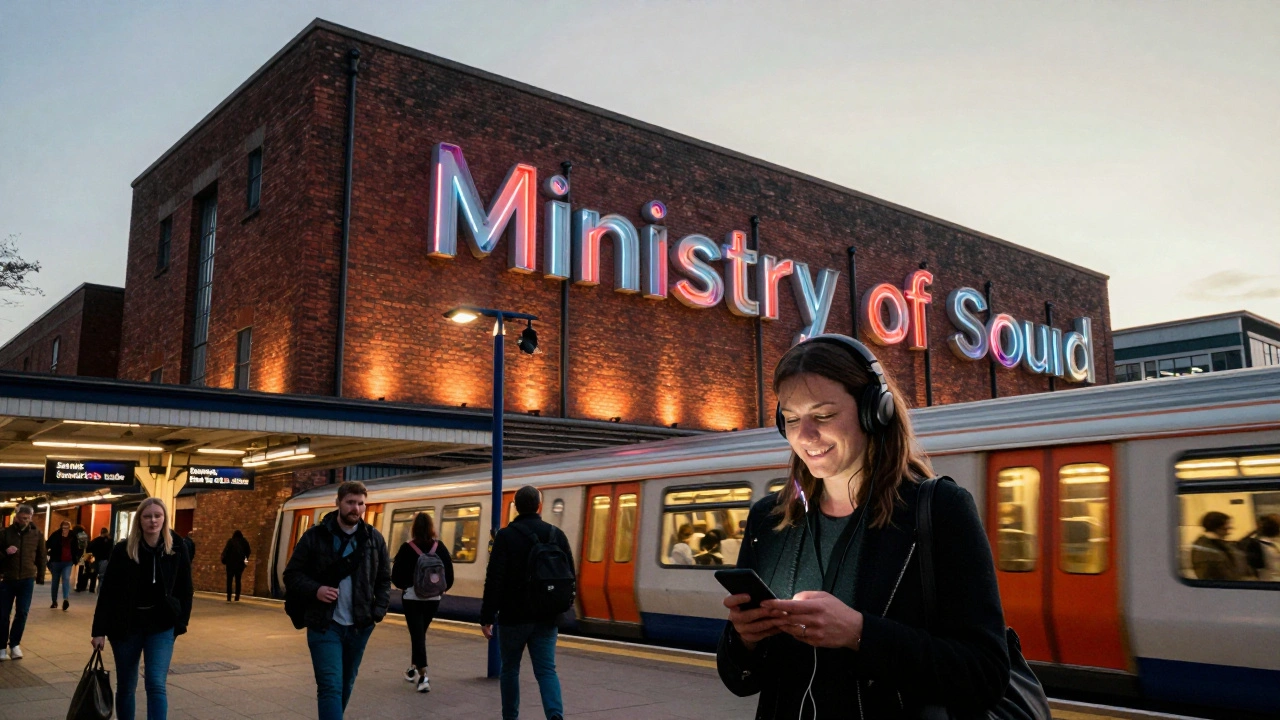
And then there’s the location. Nestled right next to Elephant & Castle Station, it’s one of the few major clubs in London that’s directly connected to the Northern Line and Overground. No need for Ubers after midnight. Just walk out, hop on a train, and be home in 15 minutes. That’s a luxury most London clubs can’t offer.
Who Goes There? A London Crowd
Walk in on a Friday night and you’ll see it: the mix. Students from Goldsmiths, fashion designers from Shoreditch, bankers from the City, and tourists from Paris who’ve read about it in The Guardian. It’s not a VIP-only spot. The dress code? Smart casual. No trainers. No hoodies. But you won’t be turned away if you’re dressed to move. There’s no bouncer judging your worth-just people who want to dance.
On Sundays, it’s different. The ‘Love Saves the Day’ series brings in a younger, more diverse crowd. It’s where London’s queer community gathers for all-day parties that blend disco, soul, and house. On Wednesdays, it’s the ‘Taste of London’ nights, where DJs from Nigeria, Jamaica, and Ghana spin Afrobeat and dancehall alongside UK garage. This isn’t just a club-it’s a mirror of London itself.
How to Make the Most of Your Visit
If you’re planning a trip to Ministry of Sound, here’s what actually works in London:
- Book ahead. Walk-ins are rare on weekends. Tickets go live on their website every Thursday at 10am. Set a reminder. Londoners know this.
- Arrive early. The club opens at 11pm, but the best spots are taken by midnight. Get there before 11:30pm if you want to be near the dancefloor.
- Don’t skip the bar. The cocktails are mixed by ex-Floridita bartenders from Cuba. Try the ‘MoS Mule’-ginger beer, lime, and a splash of rum. It’s £12, but it’s worth it.
- Use the cloakroom. It’s free. And it’s the only place in London where you can leave your coat without worrying about it being stolen.
- Check the calendar. They host monthly ‘Ministry of Sound Presents’ events at other venues like The Roundhouse in Camden. These are cheaper, less crowded, and still feature the same top DJs.
Why It Still Matters in 2026
London has changed. The cost of living has shot up. Rents in Elephant & Castle have doubled since 2019. But Ministry of Sound hasn’t moved. It hasn’t sold out. It hasn’t turned into a corporate brand with bottle service and selfie walls.
Instead, it’s doubled down on what made it great: music, community, and sound. It’s where young producers from Croydon test their first tracks. Where retired clubbers from Brixton still come every Friday. Where international DJs come to learn how to play properly.
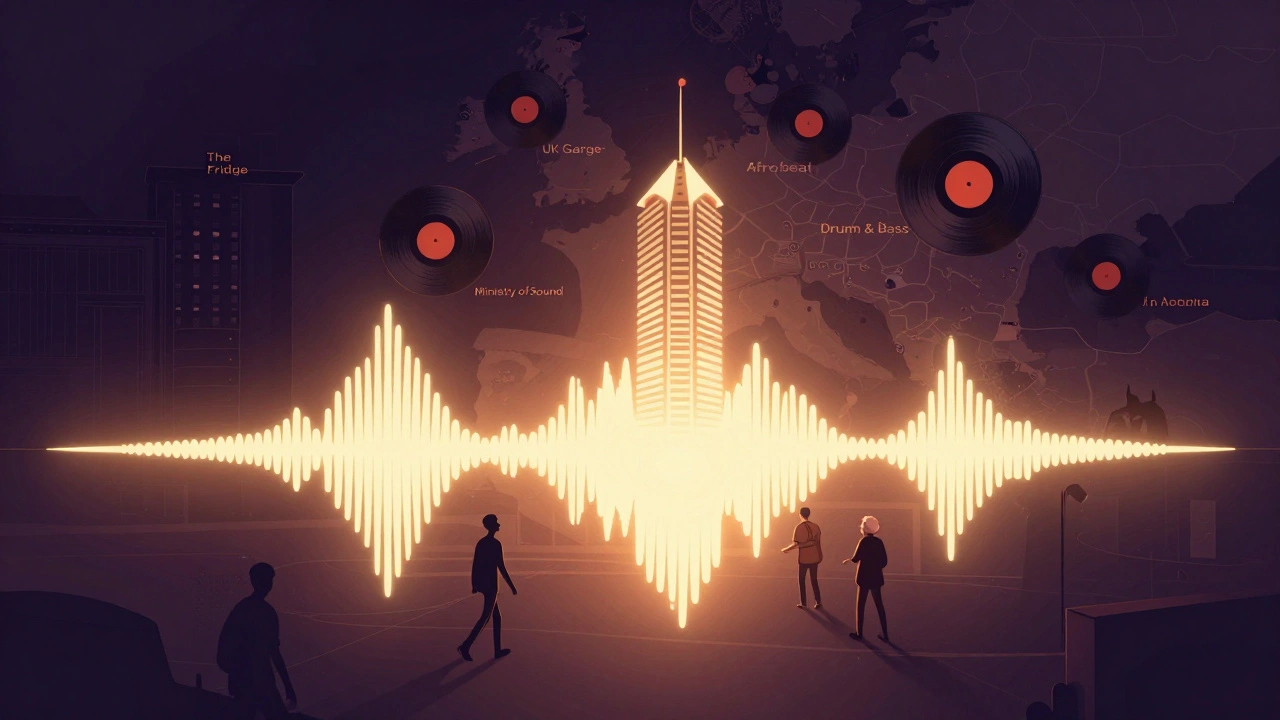
In a city where so many iconic venues have closed-The Astoria, The Fridge, The Wag Club-Ministry of Sound is one of the last standing. And it’s not just surviving. It’s thriving.
What’s Next for Ministry of Sound
In 2025, they launched ‘Ministry of Sound Academy’-a free program for young Londoners to learn DJing, sound engineering, and event production. Over 300 students have gone through it so far. Many now work at clubs across the UK.
They’ve also partnered with Transport for London to create ‘Soundtrack the Tube’-a playlist of Ministry’s best tracks played on the Northern Line between Elephant & Castle and King’s Cross. You can hear it every morning at 7am. That’s the kind of integration only London could pull off.
Ministry of Sound isn’t just a club. It’s a living archive of London’s dance music history. And if you’ve ever danced in this city, you owe it to yourself to feel that sound one more time.
Is Ministry of Sound still open in 2026?
Yes, Ministry of Sound is fully operational in 2026. It operates seven days a week, with weekend nights running until 3am. The club remains one of London’s most consistent nightlife destinations, with no signs of closure or major renovation plans.
Can I visit Ministry of Sound without a ticket?
No, entry is strictly ticketed, especially on Fridays and Saturdays. While walk-ins are occasionally allowed on quieter nights like Wednesdays, it’s unreliable. Tickets are available online via their official website, and they often sell out days in advance. Booking ahead is the only way to guarantee entry.
What’s the dress code at Ministry of Sound?
The dress code is smart casual. No sportswear, no hoodies, no flip-flops, and no trainers. Think dark jeans, a button-up shirt, or a sleek dress. It’s not about being fancy-it’s about respecting the space. Bouncers are strict but fair, and they’ve been known to let people in if they’re dressed well and clearly there to dance.
How does Ministry of Sound compare to Fabric or Printworks?
Fabric is more underground and tech-house focused, while Printworks (now closed) was known for massive industrial spaces and experimental lineups. Ministry of Sound is the most accessible, with a broader range of genres-house, garage, drum & bass, and even disco. It’s also the only one with a direct Tube connection and a 30-year legacy. If you want the full London clubbing experience, Ministry offers the most complete package.
Are there any special events at Ministry of Sound for tourists?
Yes. Every summer, they host ‘London Sound Week’-a 7-day festival featuring DJs from across the UK and Europe. Tourists can buy multi-day passes at a discount. They also offer guided club tours on Sundays at 4pm, where you can see the sound system up close and learn about the history. These tours are free with a ticket to the Sunday afternoon session.